How Long Do Brake Pads Last & When to Change Them in Jacksonville
Your brake pads are one of the most important safety components on your vehicle. Every time you press the brake pedal, the pads clamp against the rotors to help your car slow down and stop. Since they work through friction, brake pads wear down over time and eventually need to be replaced.
One of the most common questions drivers ask is, “How long do brake pads last?” The truth is there is no single answer for every vehicle. Brake pad life depends on how you drive, where you drive, the type of vehicle you own, and how often you use your brakes. Some drivers may go a long time before needing brake pad replacement, while others may wear through a set much faster.
For drivers in Jacksonville, brake wear can sneak up faster than expected. Daily commutes, stop-and-go traffic, school pickup, neighborhood driving, and constant red lights all create more braking than steady highway miles. That is why it is important to know the warning signs of worn brake pads and to understand when it is time to schedule brake service before the issue becomes more expensive.
What Do Brake Pads Do?
Brake pads are designed to press against the brake rotors when you apply the brakes. That pressure creates the friction that slows your wheels down and brings your vehicle to a stop. Because brake pads absorb so much heat and friction, they are considered a normal wear item. In other words, they are meant to wear out and be replaced over time.
The key is replacing them before they get too thin. If worn brake pads are ignored for too long, they can begin to affect stopping performance and may even lead to extra wear on your rotors. What starts as a simple brake pad service can turn into a larger brake repair if the problem is left alone too long.
How Long Do Brake Pads Last?
Brake pads can last a long time, but the exact lifespan depends on several factors. Some vehicles wear brake pads faster than others, and some drivers naturally use their brakes more often. If you spend most of your time on open highways, your brake pads may last longer than someone who drives in heavy traffic every day. If you brake hard often or do mostly city driving, your pads will likely wear more quickly.
Here are some of the biggest factors that affect brake pad life:
1. Driving habits
If you brake hard or suddenly on a regular basis, your brake pads will wear faster. Smooth braking usually helps brake components last longer.
2. City driving vs. highway driving
Stop-and-go driving puts more wear on brakes than steady highway driving. That is one reason many local drivers go through brake pads faster than they expect.
3. Vehicle size and weight
Heavier vehicles often place more stress on the braking system. If your vehicle carries extra weight regularly, that can increase brake wear over time.
4. Traffic conditions
Frequent lights, traffic, intersections, and short trips all add more brake use. Even if you are not driving far, repeated braking adds up.
5. Brake pad material
Different brake pads are made from different materials. Some are designed for quieter operation, some for durability, and some for performance. The type of pad installed can affect how long they last.
Because of these differences, there is no perfect mileage number that tells every driver exactly when to replace their brake pads. The better approach is to watch for warning signs and have your brakes checked when something changes.
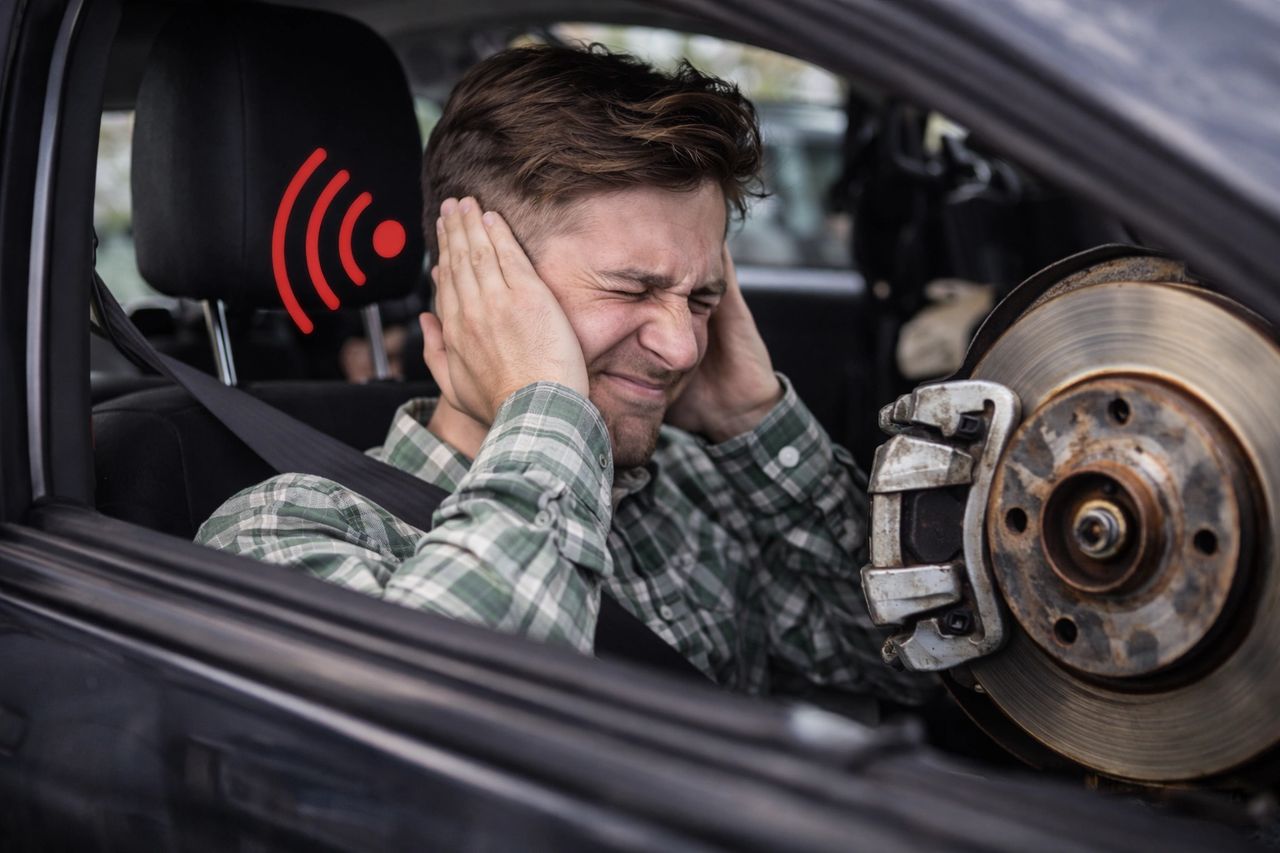
Signs Your Brake Pads May Need to Be Changed
Your vehicle often gives you warnings before your brake pads are fully worn out. Paying attention to those signs can help you fix the issue early and avoid more costly repairs.
Squeaking or squealing
A high-pitched squeak when braking is one of the most common early warning signs. Sometimes brake pads have built-in wear indicators that make noise when the pad material is getting low. Even if the sound comes and goes, it is worth getting checked.
Grinding noise
Grinding is more serious. If your brakes are grinding, the brake pad material may be very low, and metal may be contacting the rotor. At that point, delaying service can lead to rotor damage and a more expensive repair.
Vibration when braking
If your steering wheel shakes or you feel pulsation when braking, there may be an issue with the brake system. In some cases, worn pads and rotor wear can contribute to this kind of symptom.
Longer stopping distance
If your car is not stopping as quickly as it used to, do not ignore it. Reduced stopping performance is one of the clearest signs that your brakes need attention.
Brake pedal feels different
A pedal that feels soft, weak, rough, or less responsive than normal can point to a brake issue. Any noticeable change in pedal feel is a good reason to have the system inspected.
Visible thin brake pads
If the brake pad material looks thin during an inspection, it may be time to replace them before they begin damaging the rotors.
When Should You Change Brake Pads?
The best time to change brake pads is before they begin causing bigger problems. A lot of drivers wait until the noise gets louder or the vehicle starts feeling unsafe, but that usually means the wear has already gotten worse than it needed to.
If your brakes are squeaking, grinding, vibrating, or taking longer to stop the vehicle, it is a smart idea to get them inspected as soon as possible. Waiting too long can make a basic brake job much more expensive.
Think of brake pad replacement as preventative maintenance. Replacing worn pads early can help protect your rotors, improve stopping consistency, and keep your vehicle safer on the road.
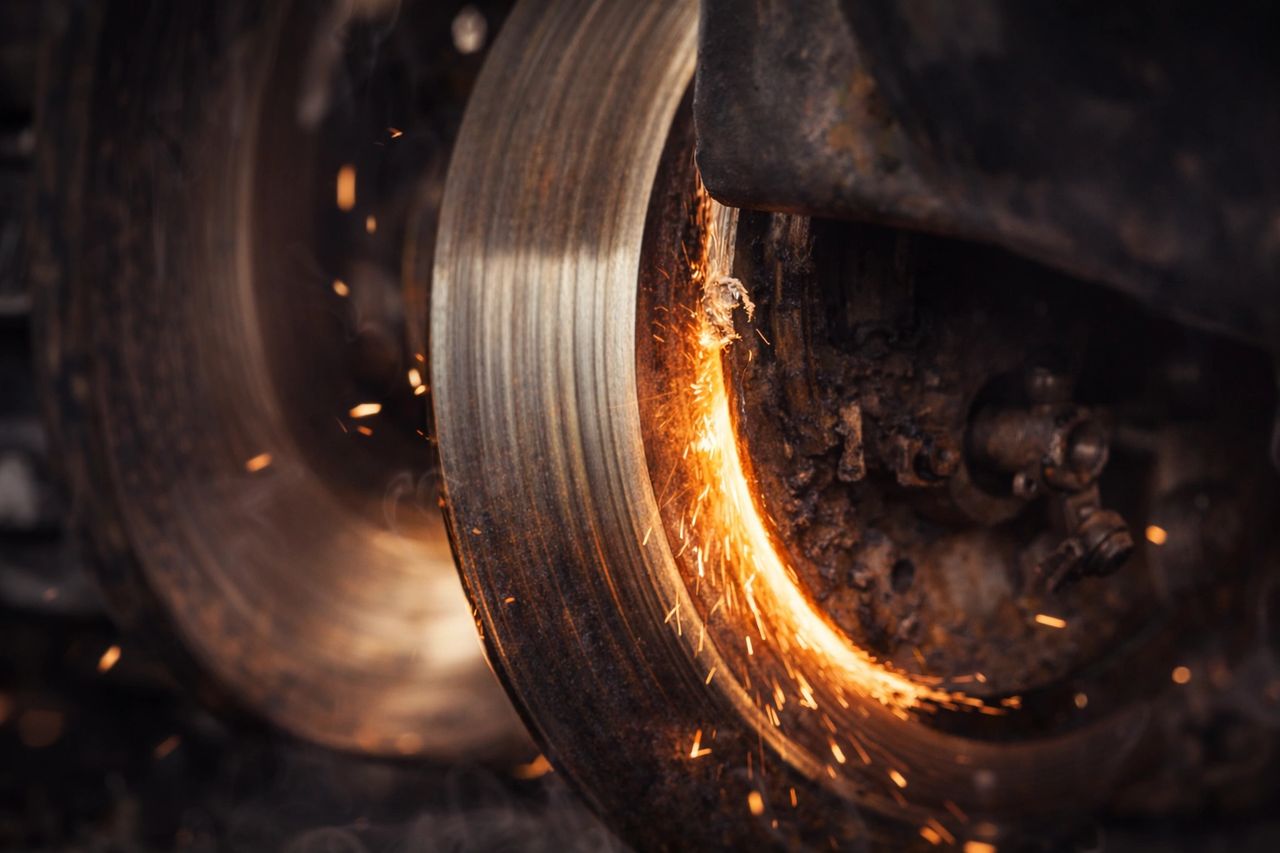
Why You Should Not Ignore Worn Brake Pads
Ignoring brake pad wear can cost you more in the long run. Brake pads are designed to be replaced before they wear all the way down. Once they get too thin, they can create more stress on the rest of the braking system.
For example, if worn brake pads begin grinding into the rotor, you may end up needing both brake pad replacement and rotor replacement. That is why small warning signs should never be brushed off. Catching brake wear early is usually cheaper, easier, and safer than waiting until the damage spreads.
There is also the safety issue. Your brake system is one of the most critical systems on your vehicle. If braking performance is reduced, your stopping distance may increase, especially in traffic or emergency situations. That is not something you want to gamble with.
Jacksonville Drivers: Why Brake Wear Happens Faster Than You Think
If you drive around Jacksonville every day, your brakes may be working harder than you realize. Local driving conditions often involve traffic lights, busy roads, short errands, school pickup, commuting, neighborhood stops, and frequent braking. Even if you are not putting huge highway miles on your vehicle, all that repeated braking can wear your pads down.
That is why so many drivers search for things like:
- brake pad replacement Jacksonville
- rotor replacement Jacksonville
- squeaky brakes Jacksonville
- grinding brakes Jacksonville
- brake repair Jacksonville FL
- mobile brake service Jacksonville
These are real problems drivers deal with every day, and they usually start with simple warning signs that are easy to overlook.
How to Make Brake Pads Last Longer
You cannot prevent brake pads from wearing out forever, but you can help them last longer by driving with a little more awareness.
Try to brake smoothly instead of slamming on the pedal whenever possible. Leave more distance between you and the car in front of you so you have more time to slow down gradually. Avoid carrying unnecessary weight in the vehicle if you can. And most importantly, have your brakes checked when you notice the first signs of noise or reduced performance.
Regular inspections go a long way. Many drivers assume their brakes are fine until they hear grinding, but by then the damage may already be worse than it needed to be.
Final Thoughts
So, how long do brake pads last? It depends on your vehicle, your driving habits, and your daily conditions. But what matters more than the exact number is recognizing when your brakes are starting to wear out.
If your vehicle is squeaking, grinding, vibrating when braking, or taking longer to stop, it may be time for brake service. Replacing brake pads early can help prevent bigger repairs, protect your rotors, and keep your vehicle safe to drive.
For Jacksonville drivers, local traffic and stop-and-go driving can wear brakes down faster than expected. That is why paying attention to the early warning signs is the best way to stay ahead of brake problems before they get worse.
If you think your brake pads may be worn, do not wait until the problem becomes more expensive. Getting your brakes checked early can save time, money, and stress.

