The Importance of Brake Fluid Exchange: A Key to Safe and Smooth

When it comes to car maintenance, some things are obvious: oil changes, tire rotations, and engine checkups. But one often overlooked yet critical part of your vehicle’s safety and performance is brake fluid. Believe it or not, it’s easy to forget about this essential fluid until something goes wrong—by then, it might be too late. Let’s dive into why brake fluid exchange is so important and why you should make it a part of your regular car care routine.
What Is Brake Fluid and Why Does It Matter?
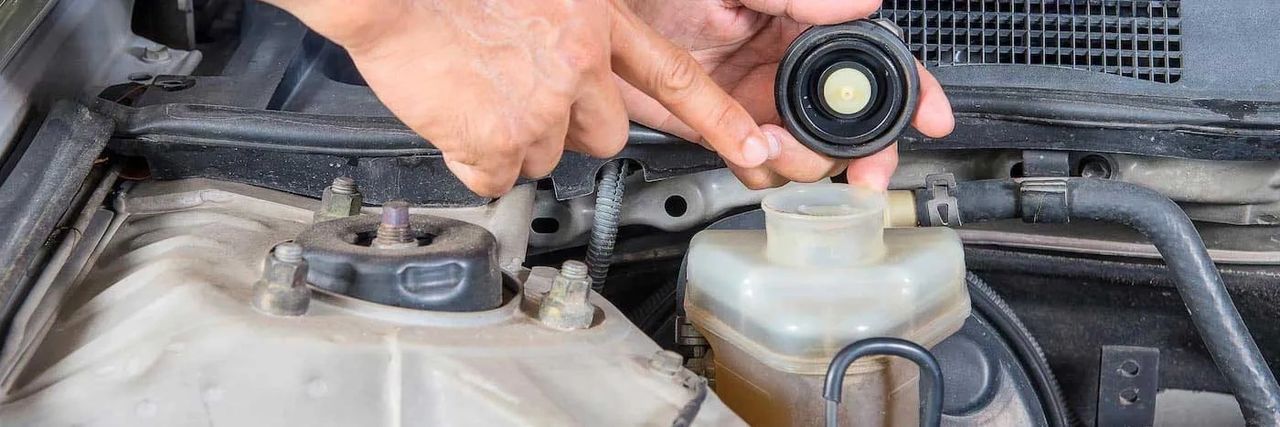
Brake fluid is a vital component of your car’s braking system. It works by transmitting the force from your foot pressing the brake pedal into the hydraulic pressure that slows and stops your car. Without it, you wouldn’t be able to stop the vehicle at all—imagine trying to hit the brakes, but nothing happens. Sounds terrifying, right?
But brake fluid doesn’t just carry out this essential function—it also helps keep the brake system cool and lubricated. Over time, however, brake fluid can degrade due to moisture contamination and heat, reducing its effectiveness. When the brake fluid is compromised, you may experience decreased braking performance, which can be dangerous.
Fun Fact: Brake Fluid Doesn’t Last Forever!
It’s important to understand that brake fluid isn’t a “set it and forget it” component. It absorbs moisture over time, which lowers the boiling point and reduces its ability to handle the heat generated during braking. Moisture can cause corrosion in the brake components, and that’s a problem you don’t want to deal with. Keeping your brake fluid fresh ensures your braking system performs at its peak, especially when you need it most.
How Often Should You Change Brake Fluid?
So, when is the right time for a brake fluid exchange? Generally speaking, brake fluid should be replaced every 2 years or every 24,000 miles—whichever comes first. This might vary slightly depending on your car’s make and model, so it’s always a good idea to check your owner’s manual for specific recommendations. Some high-performance vehicles or cars used in extreme conditions (like towing or mountain driving) may need more frequent exchanges.
If you’re unsure about how long it’s been since your last brake fluid exchange, your mechanic can do a quick test to check the moisture content of the fluid.
Signs Your Brake Fluid Needs Attention
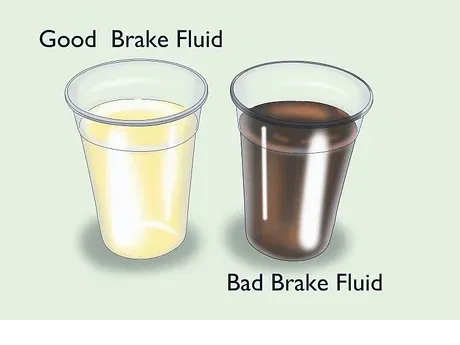
How do you know if your brake fluid is starting to fail? Here are some symptoms to watch out for:
- Spongy or Soft Brake Pedal: If the pedal feels unusually soft or spongy when pressed, it could be a sign that the brake fluid has become contaminated or has low levels.
- Warning Lights: Some vehicles have a brake fluid warning light that will illuminate if the fluid is low or has become ineffective.
- Poor Braking Performance: If it feels like your car takes longer to stop, or if the brakes feel unresponsive, it could be due to degraded brake fluid.
- Unusual Noises: If you hear grinding, squealing, or a high-pitched noise when you press the brakes, it might indicate moisture in the brake fluid or issues with the brake components themselves.
Fun Fact: Brake Fluid Boils Like a Pot of Water!
If brake fluid gets too hot, it can boil. Since the boiling point of brake fluid is much higher than water (usually around 400°F), your brakes can perform flawlessly under normal conditions. However, if the brake fluid has absorbed moisture, its boiling point is reduced significantly. In hot, high-stress braking situations, the fluid can vaporize, which results in “brake fade,” making it harder to stop the car effectively. This can be terrifying in an emergency!
The Right Way to Top Up Brake Fluid (Hint: Don’t Do It Yourself)
It might be tempting to top up your brake fluid when it’s running low, but here’s a key thing you need to know: never add new brake fluid to old fluid. Simply topping off the fluid may mask an underlying issue, such as moisture or contamination, and you could be risking your safety. Brake fluid needs to be flushed and replaced entirely to remove moisture and particles that might have built up over time.
Pricing: What Does a Brake Fluid Exchange Cost?
The cost of a brake fluid exchange can vary depending on where you go, but on average, it ranges from $110 to $250. While this may seem like an expense you could avoid, think of it as an investment in your safety. Compare it to the cost of brake repairs or, worse, the cost of an accident due to brake failure. If you catch brake fluid issues early, you can save money in the long run by preventing expensive repairs.
What Happens During a Brake Fluid Exchange?
When you take your car in for a brake fluid exchange, a technician will remove the old fluid from the brake system and replace it with fresh fluid. This process also involves “flushing” the brake lines to ensure that no moisture or debris remains. If you’ve been using low-quality brake fluid, or if your car has been sitting for a while, this exchange becomes even more important.
In Conclusion: Don’t Neglect Your Brake Fluid
In short, a brake fluid exchange isn’t just a good idea—it’s crucial for your safety. Your car’s brakes are one of the most important systems when it comes to keeping you and your passengers safe, so make sure your brake fluid is up to the task. Regular brake fluid exchanges, checking for symptoms of failure, and never topping up the fluid yourself will help ensure your car stops on a dime when you need it most.
Remember: your brake fluid doesn’t last forever, and neither does your peace of mind. Keep your brakes in top shape and drive with confidence!
Need a Brake Fluid Exchange? Call GotBrakes!
If you’re unsure when your brake fluid was last changed or you’re noticing any of the symptoms we’ve discussed, don’t wait! A quick call to GotBrakes can get you on the road to safer driving. Our expert technicians will handle all your brake fluid needs, from flushing and exchanging to checking the health of your entire braking system. Don’t take chances with your safety—trust GotBrakes for fast, reliable service.

Call us today and ensure your brakes are in top condition!

